
January 22nd, 2026
Louis C. Bernardi, “The Benefits Whisperer”
The Healthcare Heist Newsletter – by Lou Bernardi, The Benefits Whisperer, Certified Healthcare Fiduciary Coach, Certified Health Value Advisor.
________________________________________________________________________________________________________
Why the Machine Wins When We Choose the Path of Least Resistance
One of the most dangerous things about the American healthcare system isn’t just how expensive it’s become.
It’s how predictable our behavior inside it is.
In Enemies of Success, Brian Tracy explains how fear, comfort, and avoidance quietly sabotage progress. These “enemies” don’t show up loudly. They work in the background, nudging people toward familiar paths, even when those paths are clearly failing.
Sound familiar?
Because that’s exactly how the Machine operates in healthcare.
The Path of Least Resistance Is the Machine’s Favorite Road
The Machine understands something fundamental about human behavior:
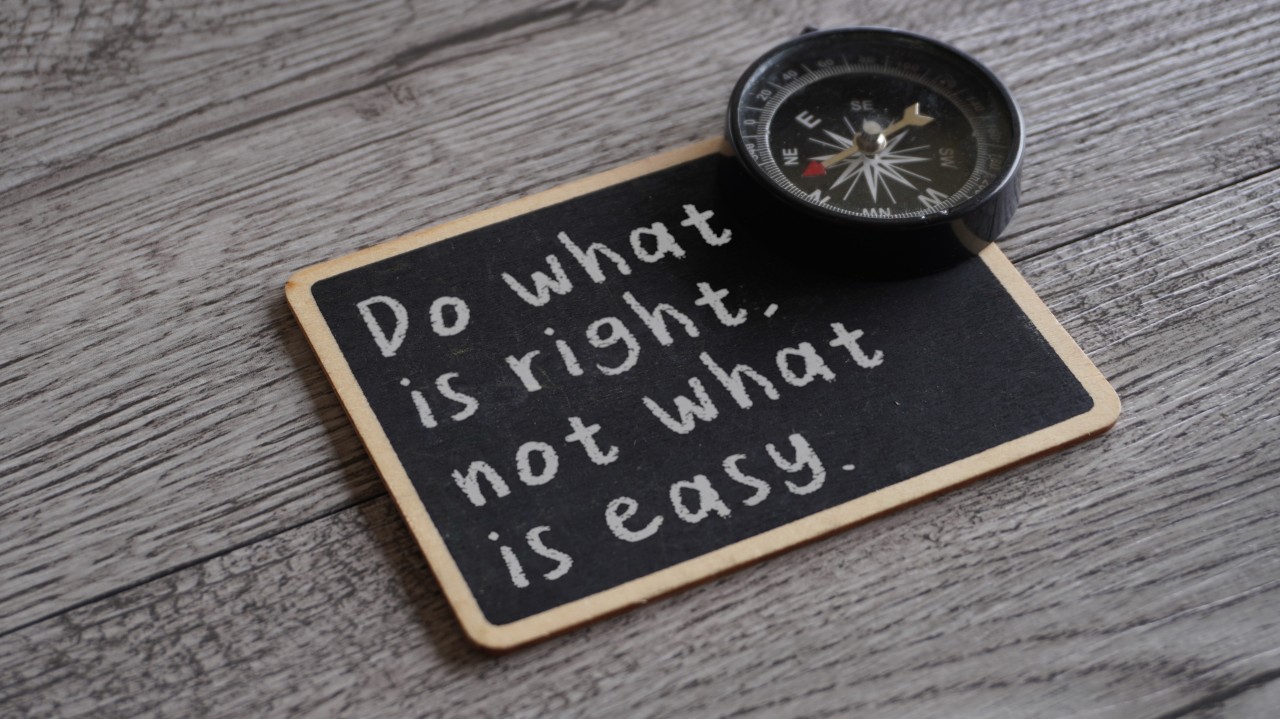
When faced with complexity, uncertainty, or extra effort, most people default to the path of least resistance.
In healthcare, that path looks like:
- Renewing with the same carrier
- Accepting another 8–12% increase (or worse)
- Making plan changes that shift costs to employees
- Telling yourself, “At least we know how this works”
Even when everyone agrees the results are bad.
This is where fear of the unknown kicks in:
- What if employees don’t like it?
- What if doctors don’t recognize the plan?
- What if this creates more work for HR?
So, we stay put. And the Machine keeps winning.
Learned Helplessness: The Heist You Don’t See
After years, sometimes decades, of trying to “manage” healthcare costs with the same tools, something subtle happens.
People stop believing meaningful change is possible.
That’s learned helplessness:
- “Healthcare is just expensive.”
- “Everyone gets increases.”
- “There’s nothing we can really do.”
The Machine loves this mindset. Because once employers and employees believe they’re powerless, they stop asking better questions and stop demanding better answers.
“It Feels Like More Work” and That’s the Point
When organizations do consider a high-performance health plan, a familiar objection shows up quickly:
“This feels like more work.”
And yes, sometimes it is.
Examples?
- Helping a doctor’s office understand the plan isn’t a big national carrier
- Explaining a different ID card or portal
- Learning what a PBM actually does
- Speaking with a care coordinator instead of guessing where to go
But let’s pause for a second.
Should someone avoid a health plan that can save 20–50% and deliver better care… simply because it requires a little more intention?
Of course not.
What’s actually happening is discomfort, not danger.
We Forget Pain Faster Than We Think
Another enemy of success is how quickly people forget pain once it passes.
In healthcare, that looks like:
- Forgetting how bad the last renewal felt
- Forgetting the emergency plan changes resulting in excessive OOP costs
- Forgetting the employee frustration
- Forgetting how quickly costs jumped “just this once”
So, when renewal season rolls around again, the Machine whispers:
“Just stick with what you know.”
And the cycle repeats.
Different Doesn’t Mean Worse, it Usually Means You’re Close
Here’s the truth the Machine doesn’t want you to internalize:
In healthcare and insurance, if it feels different, you’re probably onto something.
High-performance health plans feel different because:
- They disrupt misaligned incentives
- They expose hidden costs
- They require engagement instead of autopilot
- They treat healthcare as a strategy, not a line item
Yes, they ask more of decision-makers. Including how those decisions are made and by whom.
But compare that to the alternative:
- Paying more every year
- Changing networks anyway
- Explaining worse benefits to employees
- Accepting rising costs as inevitable
That’s not “less work.” That’s just work with worse outcomes.
The Real Question
The question isn’t whether a better health plan requires effort.
The question is:
Why are we so willing to accept endless increases, confusion, and frustration, just because they’re familiar?
The Healthcare Heist doesn’t succeed because people are careless.
It succeeds because the Machine understands human behavior better than we do and uses it against us.
The moment you recognize that…the path forward becomes much clearer.
And yes, different.
If this felt uncomfortable, that’s not a problem. It’s a signal.
The path of least resistance is exactly where the Healthcare Machine wants you, renewing, absorbing increases, and calling it “normal.”
But doing nothing is not neutral. And “easy” has become very expensive.
Whether you’re a plan sponsor or a benefit advisor, the next step isn’t radical change, it’s an honest conversation:
- What is your health plan actually delivering?
- Who truly benefits from the status quo?
- And what is the real cost of staying comfortable?
Start the conversation. Be consistent. Be steady.
Because the moment healthcare feels different…you may finally be moving in the right direction.
Contact the author at lcbernardi@britepathbenefits.com
Schedule a call at calendly.com/lcbernardi
Visit our website at www.britepathbenefits.com